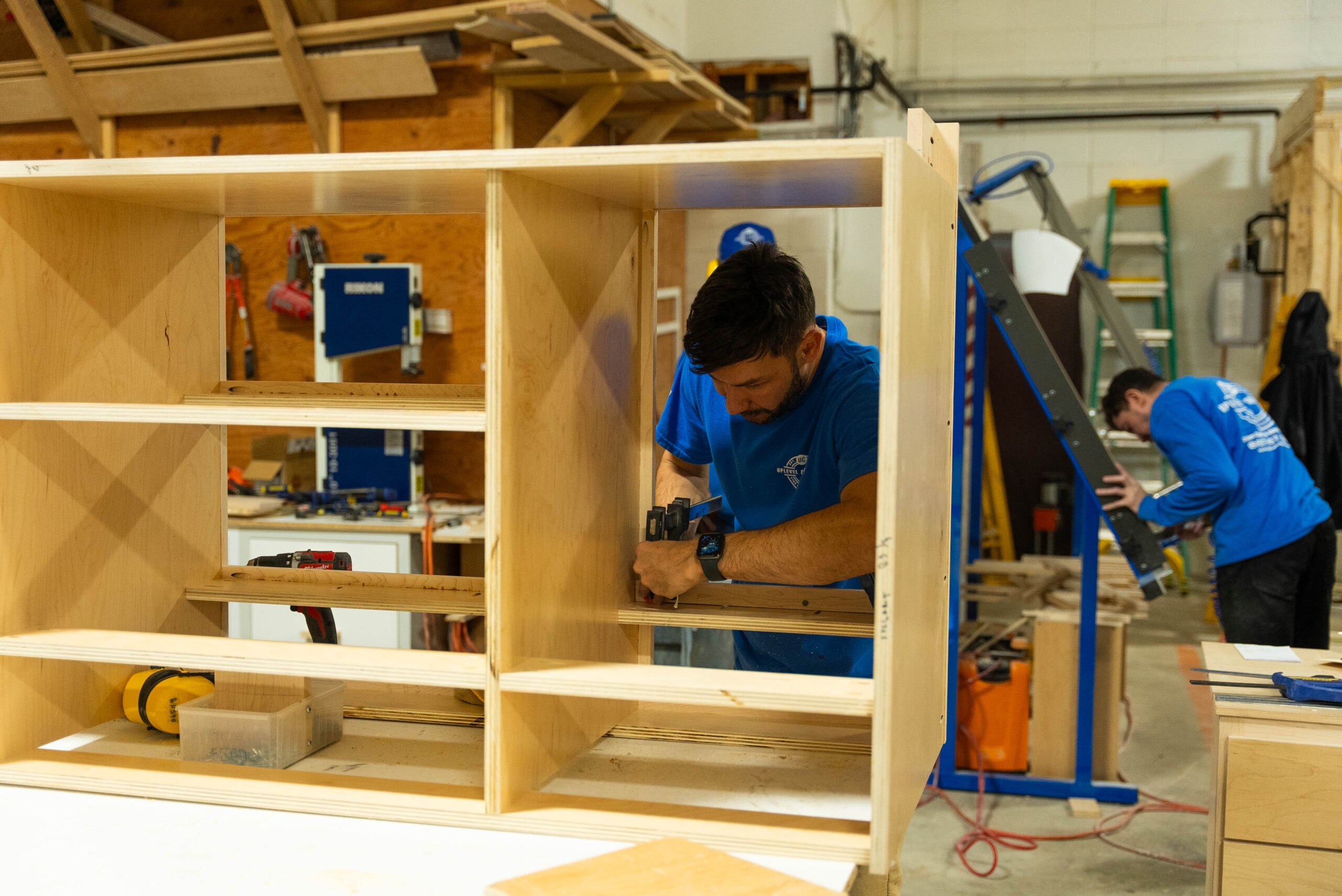
It’s one of the first questions on every homeowner’s mind when dreaming of perfect built-ins, unique furniture, or custom cabinetry: “How much does a custom carpenter charge per hour?” or more broadly, “How much does a custom fireplace mantel cost?” and “What is the average cost of a custom built-in bookshelf?”
The immediate sticker shock can sometimes lead to another query: “Why is custom woodworking so expensive?” This is a fair question. Unlike off-the-shelf solutions, custom carpentry comes with a different price tag—but also a fundamentally different kind of value.
Let’s demystify the cost of custom carpentry, looking beyond the hourly rate to truly understand “What factors affect the price of custom woodworking?” and ultimately, why “Is custom furniture worth the price?”
Understanding the Cost Breakdown: Beyond the Hourly Rate
While an hourly rate might be quoted, it rarely tells the whole story of a custom carpentry project. Most reputable carpenters will provide a project-based quote, which encompasses several critical factors:
1. Materials: More Than Just Wood. When you ask, “Do I need to buy the wood for a custom carpenter?” the answer is usually no; the material cost is integrated into the quote. But this isn’t just about the lumber itself.
- Wood Species: The choice of wood (e.g., paint-grade poplar vs. exotic walnut) significantly impacts cost. Hardwoods are more expensive than softwoods.
- Sheet Goods: Plywood and MDF for cabinet boxes and shelving vary in grade and price.
- Hardware: High-quality hinges, drawer slides (soft-close are pricier), knobs, and pulls all add up.
- Finishing Supplies: Stains, paints, lacquers, and sealants, along along with the labor to apply them. (Remember, “Do woodworkers paint their own projects?” is common, and that labor is part of the cost.)
2. Design & Planning: The Blueprint for Perfection. This is often an unseen but crucial component of the cost. A professional doesn’t just start cutting.
- Consultation & Measurement: Accurately measuring your space, accounting for uneven walls, and discussing your vision.
- Drawing & Renderings: Many clients ask, “Should a carpenter provide a 3D rendering?” Yes, for complex projects, this design time is essential to ensure you and the carpenter are on the same page. This design phase is where your ideas take tangible form.
- “Shop Drawings”: For intricate pieces, detailed shop drawings (“What is a shop drawing in carpentry?”) are created to map out every cut and joint, preventing costly errors.
3. Labor: Skill, Experience, and Time. This is typically the largest portion of the cost and where the “How much does a custom carpenter charge per hour?” question truly comes into play. A highly skilled, experienced carpenter brings:
- Precision: Years of training mean exact cuts, perfect joints, and seamless integration into your home.
- Efficiency: While meticulous, an experienced pro works efficiently, minimizing wasted time and materials.
- Problem-Solving: Unforeseen issues (e.g., hidden pipes, unexpected wall angles) are handled with expertise, not guesswork.
- Specialized Tools & Shop Overhead: The hourly rate also covers the investment in professional-grade equipment, shop space, insurance, and business expenses.
4. Installation: The Final Fit. A custom piece isn’t complete until it’s perfectly installed. This involves:
- Transport: Safely moving the finished pieces to your home.
- Scribing & Fitting: Precisely fitting the unit to your unique space, ensuring it looks built-in, not just placed.
- Site Cleanup: Leaving your home spotless.
“Why is Custom Woodworking So Expensive?”
When comparing the price of a custom built-in to a flat-pack solution, it’s easy to feel the pinch. However, “expensive” is relative to the value you receive.
You’re paying for:
- Perfect Fit & Function: No gaps, no wasted space. A custom piece is designed specifically for your needs and your home’s unique dimensions. This is a key difference from stock cabinetry.
- Durability & Quality: Custom pieces are typically built using superior materials and construction methods, designed to last decades, not just years. They become enduring parts of your home, often increasing its value.
- Unique Design & Aesthetics: You get precisely the style, finish, and features you want. This isn’t just a generic piece of furniture; it’s a bespoke creation that reflects your taste and enhances your home’s character.
- Expert Craftsmanship: This includes the specialized skills of “finish carpentry,” ensuring every detail, from joinery to molding, is executed flawlessly.
- Problem-Solving & Peace of Mind: A professional handles the entire process, anticipating and resolving issues so you don’t have to. When you ask, “How do I find a good local woodworker?” you’re looking for someone who delivers this peace of mind.
“Is Custom Furniture Worth the Price?” The Long-Term Perspective
For many, the answer is a resounding yes. While the upfront investment is higher, the long-term benefits include:
- Increased Home Value: Well-designed, quality built-ins are often considered an upgrade that appeals to future buyers.
- Superior Functionality: Solutions tailored to your lifestyle truly make your home work better for you.
- Timeless Appeal: Custom pieces, built with classic craftsmanship, often transcend fleeting trends.
- Personal Satisfaction: There’s an unmatched satisfaction in owning a piece of furniture or cabinetry that was designed and built specifically for you.
Getting a Quote: Your Next Step
The best approach is to have a clear idea of your vision and then reach out to reputable local carpenters.
It’s not just about the numbers; it’s about understanding the unparalleled quality and lasting value you’re bringing into your home.
Leave a Reply