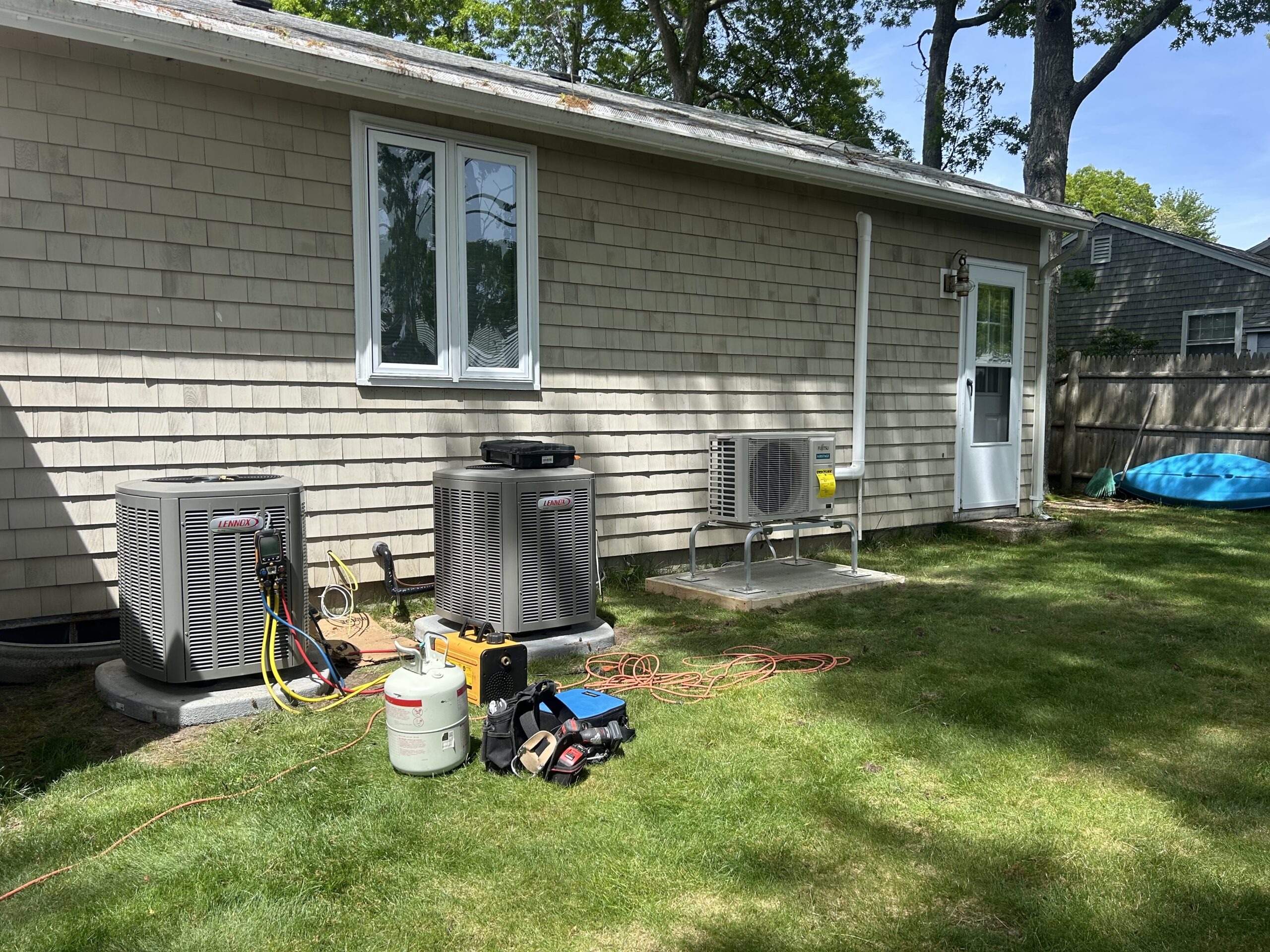
As temperatures start to rise on Cape Cod, your air conditioning system quickly becomes one of the most important parts of your home. But one of the most common questions homeowners ask is: when should I actually service my AC for summer?
The short answer is simple—early spring is the best time. But understanding why that timing matters (and what happens if you wait too long) can save you money, prevent breakdowns, and keep your home comfortable when you need it most.
Why Timing Matters More Than You Think
Many homeowners wait until the first hot day to turn on their AC. That’s usually when problems show up—and by then, HVAC companies are already booked out, and you’re stuck dealing with uncomfortable temperatures.
Servicing your AC before the season begins gives you a major advantage. It allows you to identify small issues before they turn into expensive repairs and ensures your system is ready to handle peak demand.
Spring is ideal because your system hasn’t been under heavy use yet. Technicians have more availability, and you avoid the rush that comes with summer service calls.
The Best Time to Schedule AC Service
The ideal window to service your AC system is March through May, before consistent warm weather arrives. This pre-season period is when your system can be inspected, cleaned, and tuned up without the pressure of urgent cooling needs.
If you service your AC during this time, you’ll:
- Improve system efficiency before heavy usage
- Reduce the risk of mid-summer breakdowns
- Lock in better scheduling availability
- Start the season with lower energy costs
Waiting until June or July often means longer wait times, higher service demand, and increased chances of your system failing when you need it most.
What Happens If You Skip AC Maintenance?
Skipping annual maintenance might not seem like a big deal—especially if your system worked fine last year. But HVAC systems naturally lose efficiency over time, and small issues can develop without obvious warning signs.
Without proper servicing, you may experience:
- Higher energy bills due to reduced efficiency
- Weak airflow or uneven cooling
- Increased wear and tear on system components
- Shortened lifespan of your AC unit
- Unexpected breakdowns during peak summer heat
In many cases, these problems start small but become expensive when ignored. A simple tune-up can prevent most of them.
What’s Included in an AC Tune-Up?
A professional AC service visit is more than just a quick check. It’s a detailed process designed to ensure your system is running efficiently and safely.
During a typical tune-up, technicians will:
- Inspect and clean the condenser and evaporator coils
- Check refrigerant levels and system pressure
- Test electrical components and connections
- Replace or clean air filters
- Evaluate airflow and system performance
- Identify worn or failing parts
This process helps your system run smoothly while catching potential issues early—before they turn into costly repairs.
Signs Your AC Needs Service Sooner
Even if you plan to service your AC in spring, there are signs that indicate you shouldn’t wait.
If you notice any of the following, it’s best to schedule service right away:
- Your AC isn’t cooling properly
- Airflow feels weak or inconsistent
- You hear unusual noises when the system runs
- Your energy bills suddenly increase
- Some rooms feel warmer than others
These are early warning signs that your system isn’t operating efficiently and may need immediate attention.
How AC Maintenance Helps Lower Energy Bills
One of the biggest benefits of servicing your AC before summer is improved efficiency. When your system is clean and properly tuned, it doesn’t have to work as hard to cool your home.
That means:
- Lower monthly energy bills
- Faster cooling times
- Less strain on system components
Even something as simple as cleaning coils or replacing a filter can significantly improve performance. Over the course of a full cooling season, those savings add up.
Extending the Life of Your System
Replacing an HVAC system is a major investment, so it makes sense to get as many years out of your current system as possible.
Regular maintenance plays a huge role in extending the lifespan of your AC unit. Systems that are serviced annually tend to last longer and perform better compared to those that are neglected.
By addressing wear and tear early, you reduce the likelihood of major failures and keep your system running efficiently for years to come.
Why Cape Cod Homeowners Should Be Proactive
On Cape Cod, weather patterns can shift quickly, and summer humidity can put extra strain on your AC system. When temperatures rise, your system needs to work harder—not just to cool your home, but also to manage moisture levels.
This makes pre-season maintenance even more important. A properly serviced system is better equipped to handle both heat and humidity, keeping your home comfortable without overworking the equipment.
Don’t Wait Until It’s Too Late
If there’s one takeaway, it’s this: the best time to service your AC is before you actually need it.
Scheduling maintenance in early spring gives you peace of mind, lower energy costs, and a reliable system when summer arrives. Waiting until something goes wrong often leads to higher expenses and unnecessary stress.
Being proactive is always the smarter (and cheaper) option.
Get Ready for Summer the Right Way
Preparing your AC system ahead of time ensures you’re not caught off guard when temperatures climb. With a simple tune-up, you can avoid breakdowns, improve efficiency, and enjoy consistent comfort throughout the season.
If you haven’t scheduled your AC service yet, now is the perfect time to get ahead of the summer rush and make sure your system is ready.
About Upper Cape Heating & Cooling
At Upper Cape Heating & Cooling, we help homeowners across Cape Cod stay comfortable with reliable HVAC maintenance, repairs, and installations. Our team focuses on honest service, quality workmanship, and keeping your system running efficiently year-round.
Learn more or schedule your service today:
👉 https://uppercapeheatingandcooling.com/
Leave a Reply